Only 19% of consumer brands running AI agents send results to ad platforms
Conversational AI agents have moved from the help desk to the front of the sales funnel at most of the consumer brands Invoca surveyed. The measurement around them has not made the same move.
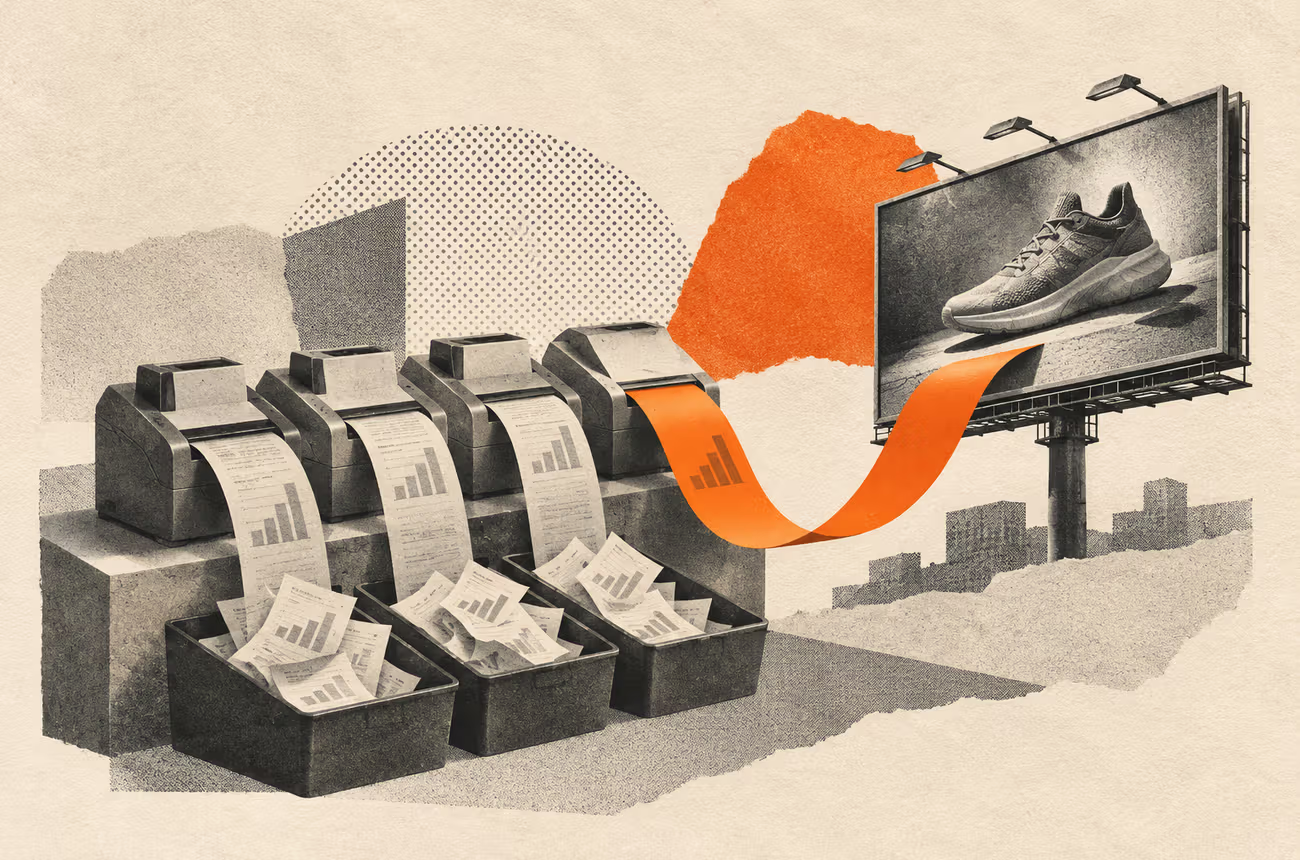
Invoca’s 2026 Broken Funnel Report, published on 10 November, found that 44% of respondents had agents live in at least one channel and a further 27% were piloting or testing them. Among the 323 marketers running or piloting agents, 74% said they could not fully track an agent-handled lead from first click to conversion. Only 26% could tie an agent conversation to the campaign, keyword or ad that started it, and 19% could reliably return agent outcomes to advertising platforms as conversion signals.
That last figure carries the most weight for paid media teams. Google, Meta and other ad platforms optimise bidding on the conversion signals advertisers send back. When an agent qualifies a lead or books an appointment and that outcome never reaches the platform, the platform keeps optimising for the clicks and form fills it can see. The survey covers consumer sectors, not B2B software, but the mechanics it describes apply to any marketing team that puts an agent between an ad click and a sales conversation.
What did Invoca’s Broken Funnel Report measure?
Invoca’s Broken Funnel Report is a commissioned survey of US marketing leaders at consumer-facing companies, run by research firm Gather between 14 September and 5 October 2026. Gather received 505 responses and kept 451 after quality screening, according to the report’s methodology, which gives a margin of error of ±4.6 percentage points at 95% confidence.
Respondents were managers or above at companies with 100 or more employees, with responsibility for lead conversion, paid media, customer engagement or demand generation. The sample is weighted towards high-consideration consumer purchases: home services made up 30%, healthcare and dental 28%, financial services and insurance 25%, automotive 11% and telecom 6%. Questions about agent measurement were asked only of the 323 respondents running or piloting agents.
Invoca sells conversation intelligence and AI agent software for exactly these sectors, so the report also makes a commercial case. PPC Land, which covered the report on 11 November, noted that Invoca’s October product launches map closely onto the gaps it identifies, and that the 19% figure rests on roughly 61 of the 323 agent users, a smaller base than the headline margin of error implies. The figures are self-reported, and no independent study has reproduced them.
How are marketers judging their AI agents today?
Invoca found that 73% of marketers running or piloting agents judge them mainly on measures other than revenue or booked outcomes. Customer satisfaction was the most common primary measure at 20%, followed by qualified leads and conversation volume at 16% each. Conversion rate on agent conversations stood at 11%, appointments booked at 9%, and revenue attributed to agent conversations at just 7%.
The split depends on where the line is drawn. Invoca counts qualified leads as an engagement measure; PPC Land pointed out that moving them into the sales column would lift the revenue-focused share to about 43%. Either way, a majority of agent operators are not judging agents on what they sell.
Invoca chief executive Gregg Johnson put the gap bluntly in the company’s release, saying too many consumer brands “measure their AI agents like a help desk” while expecting sales results. The report suggests the cause is plumbing more than priorities: marketers may not be able to connect agent data to revenue systems, rather than considering revenue unimportant.
The same weakness shows up away from the agent. Across the full sample, 74% said they could not fully track leads from the first digital interaction to a sale. Attribution broke most often at hand-offs, with 56% losing it once a lead reached a dealer, franchise or local branch. Fewer than a third had agents that could see a customer’s earlier digital journey, even though tailoring conversations to that journey was the top improvement marketers wanted, at 43%.
What does the gap mean for B2B marketing teams?
The Invoca survey contains no B2B respondents, so its rates cannot be read across to B2B software companies. The structure of the problem is familiar, though. B2B teams increasingly place chat agents on pricing and demo pages and in onboarding flows, and those conversations sit between a paid click and a sales-accepted lead, the same gap Invoca describes.
The practical test is whether an agent conversation carries its campaign identifiers into the CRM and whether its outcome reaches the ad platform. Google Ads accepts offline conversion data, and Meta’s Conversions API accepts CRM lifecycle events, so the pathways exist. What neither provides is an automatic link between a third-party agent’s conversation and a campaign. That mapping still depends on stable conversation and lead IDs, consented data and agreed definitions of what counts as a qualified outcome.
One finding cuts the other way for marketers already working on AI search. In the survey, 86% of marketers said they could usually identify leads whose research began in an AI answer engine, and 44% said answer engines produced their most qualified leads. Those are self-reported judgements rather than measured attribution, but they suggest buyers are arriving at agents having already done much of their research elsewhere.
The survey also does not show whether agent-handled leads convert better or worse than those handled by people. Invoca has not published a B2B edition of the report.